The Maronite Church
An ancient Eastern Catholic Church.
The Maronite Church preserves a Syriac spiritual, liturgical, and monastic heritage in full communion with Rome.

Antiochian Roots
Where the disciples were first called Christians.
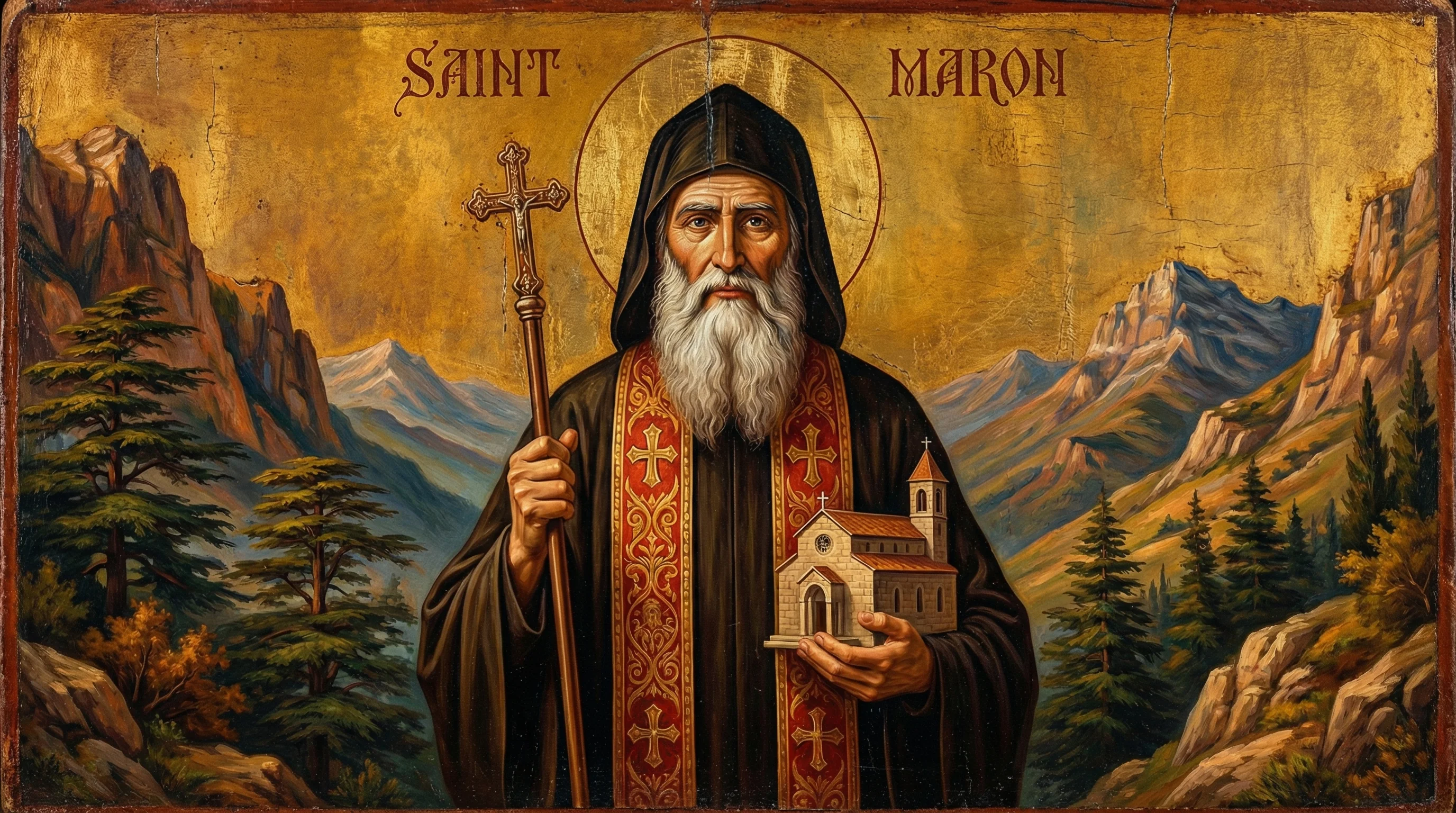
The Maronite Church, named after the Syrian hermit-priest Saint Maron, is one of the ancient Eastern Catholic Churches of the Antiochian Tradition, where "the disciples were first called Christians" (Acts 11:26). Rooted in the early Church of Antioch and in full communion with the See of Rome for centuries, the Maronite Church shares the same Catholic faith and sacraments as the Roman Catholic Church while preserving her own rich Syriac spiritual, liturgical, and monastic heritage. To this day, the Maronite Divine Liturgy continues to incorporate Syriac, a dialect of the Aramaic language spoken by Jesus Christ Himself.
Lebanon and the Monastic Tradition
A Church preserved in prayer, mountains, and monasteries.
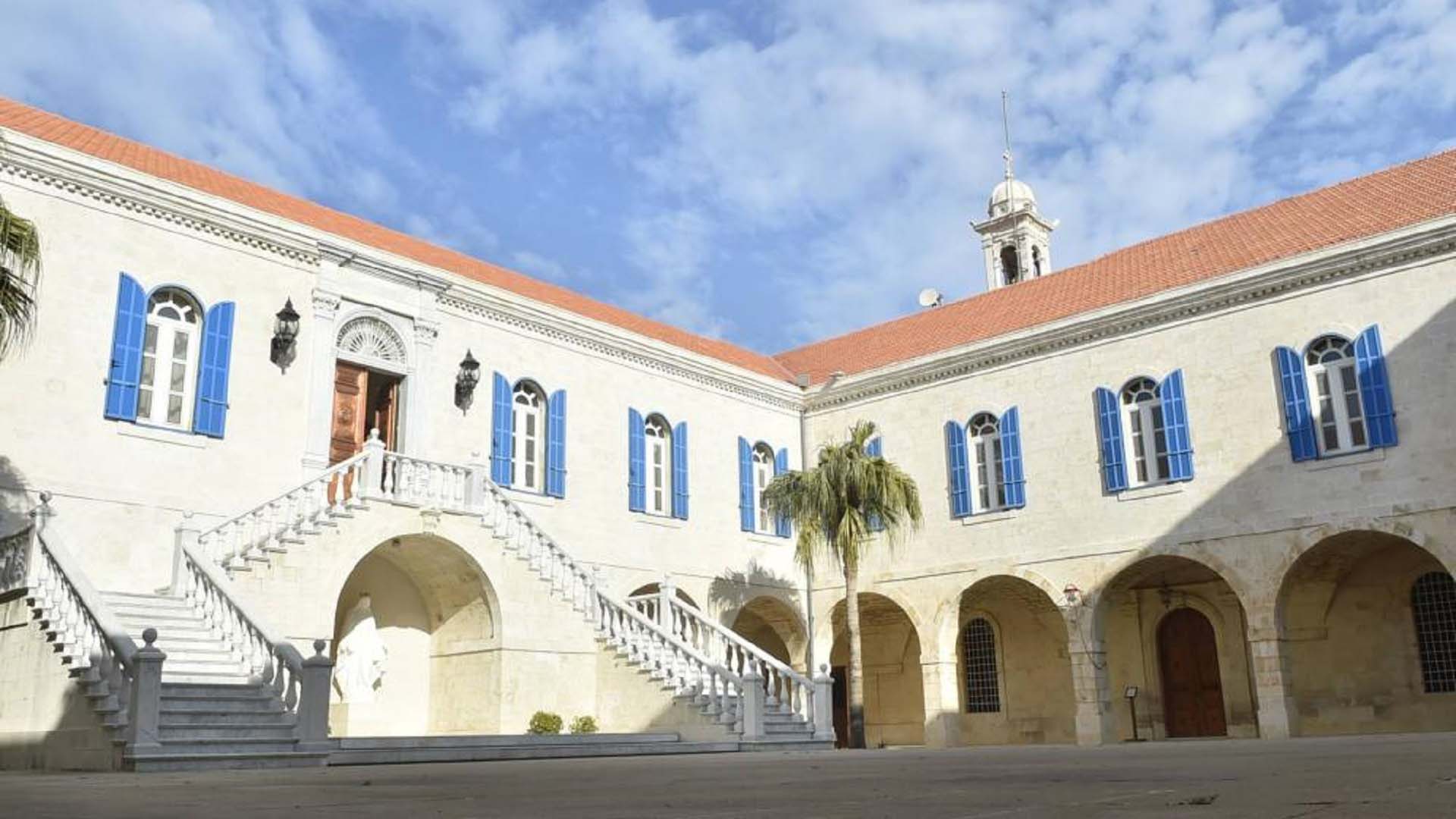
Centered spiritually in Lebanon under the leadership of the Maronite Patriarch of Antioch, the Maronite Church has long stood as a beacon and protector of Christianity in Lebanon and throughout the Middle East. Through centuries of persecution, hardship, and political upheaval, the Maronites preserved the Christian faith, safeguarded their traditions in the mountains of Lebanon, and helped sustain the Christian presence across the Arab world. Today, Maronite communities flourish throughout the world, including in the United States under the Eparchy of Saint Maron of Brooklyn and the Eparchy of Our Lady of Lebanon of Los Angeles, to which Wisconsin belongs.